
Five Million-Dollar Financial Decisions Every CEO Must Make
The five financial decisions every CEO must master to move a business from survival mode into stable, profitable growth.

The financial decisions every CEO must make look nothing like the choices you made as a solo entrepreneur. When you first started, every dollar in the bank felt personal. You made calls day to day based on what the balance showed you that morning. That worked when you were the whole business.
Scaling past the solo stage demands a higher level of financial discipline. You are no longer just doing the work. You are building the financial foundation of your company. Your choices around compensation, capital, debt, taxes, and reserves determine whether your business stays stuck in survival mode or grows with stability and purpose.
At THL Ultimate Solutions, we believe strong businesses are built on financial education, sound business advisory, and clear decision-making. We work with entrepreneurs and small business owners who want to save money on taxes, grow profits, and lead with confidence. When you understand your numbers, you make better choices. Let's walk through the five decisions that matter most.
- Separate pay for work (salary) from return on ownership (distributions) to protect margins and avoid tax surprises
- Weigh capex against opex by comparing return on invested capital, not just the price tag
- Match your financing choice, debt, equity, or revenue-based, to your actual risk tolerance and cash flow pattern
- Build tax strategy into your entity structure and timing decisions year-round, not just at filing season
- Keep 3 to 6 months of fixed operating expenses in liquid reserves so you lead from strength, not pressure
1. Determine Optimal Owner Compensation and Distributions
One of the most common traps for growing business owners is mixing personal survival needs with corporate capital allocation. In the early days, you take whatever cash is left at the end of the month. As a scaling CEO, treating your business like a personal piggy bank stunts long-term valuation.
Optimal owner compensation separates two distinct ideas: pay for work and return on ownership.
- Base salary and performance bonus: Your salary should reflect fair market value for the executive role you perform. If you stepped away and had to hire someone else to run day-to-day operations, what would you pay them? That's your baseline.
- Distributions and dividends: These represent your return on risk and ownership capital, not your weekly labor. They should be calculated based on surplus cash flow, target reserves, and high-return reinvestment opportunities.
When owner compensation is structured correctly, your business protects profit margins, keeps cleaner books, and avoids painful tax surprises. It also creates a stronger financial foundation by separating personal needs from business performance. A Free CEO Financial Health Check is a fast way to see where your current compensation structure stands.
2. Decide When to Invest in Capital vs. Operational Expenses
Every growing business faces the classic capex versus opex dilemma. Should you buy that asset outright, or subscribe to it as a monthly service? Build an in-house platform, or outsource it? This is not merely an accounting choice. It's a capital allocation decision.
- Capital expenditures (capex): Best reserved for durable assets that generate long-term value across multiple years, such as specialized equipment, proprietary tech infrastructure, or physical expansion. Capex ties up capital upfront but builds tangible enterprise value.
- Operating expenses (opex): Ideal for agile scaling. SaaS subscriptions, outsourced teams, and flexible leasing keep your balance sheet nimble and reduce fixed commitments during uncertain cycles.
The CEO's job is to evaluate whether a major expenditure delivers a stronger return on invested capital than alternative uses of that same cash. When spending supports sustainable growth, stronger cash flow, and better profit visibility, it deserves serious consideration. Looking beyond the price tag, and toward how a decision strengthens your foundation, is core to smart capital allocation.
3. Select the Right Financing Structure for Growth
Growth requires fuel. When organic cash flow isn't enough to fund your next leap, whether entering a new market, acquiring a competitor, or ramping up production, you have to choose how to capitalize your business.
- Debt financing: Preserves 100% of your equity and provides a tax shield through interest deductibility. It also introduces fixed debt-service obligations that can crush cash flow if revenue dips unexpectedly.
- Equity financing: Dilutes your ownership percentage but brings in strategic partners with networks and patient capital. It suits high-risk, high-reward ventures where failure doesn't mean immediate collapse.
- Revenue-based financing: A flexible middle ground where repayment scales directly with top-line revenue. This protects cash flow during slower months without giving up equity voting rights.
A financially savvy CEO understands risk tolerance and cash flow volatility before locking into any capital structure. The right financing choice should fund growth, support healthy operations, and preserve flexibility.
4. Establish a Proactive Tax Strategy
Many entrepreneurs treat taxes as an unavoidable annual headache: hand the shoebox of receipts to a CPA in March and hope for the best. CEOs take a different approach. A proactive tax strategy is an ongoing, integrated part of corporate finance, not an afterthought.
A proactive tax strategy aligns with your entity structure (S-Corp, C-Corp, LLC), your distribution schedule, your retirement vehicle contributions, and the timing of major equipment purchases. Timing capital outlays and maximizing legal deductions throughout the fiscal year keeps more cash inside the business to fund growth initiatives.
Because entity structure and timing rules are specific to your situation, always confirm how they apply to you with a qualified tax professional. If you want a clear-eyed look at where your current strategy stands, a Business Tax Strategy Review is a strong next step. Saving money on taxes isn't just about reducing what you owe today. It's about keeping more cash in the business so you can reinvest wisely and build profit with confidence.
5. Build a Strategic Cash Flow Reserve
Cash is the oxygen of your business. You can show strong net income on your income statement and still run into serious trouble if your cash is trapped in unpaid customer invoices and bloated inventory.
Many scaling CEOs run their cash balances too lean, assuming a line of credit will bail them out. Market shocks, delayed client payments, or sudden supply chain disruptions can instantly expose a fragile balance sheet.
Building a strategic cash flow reserve requires:
- Maintaining a minimum cushion of fixed operating expenses in liquid reserves, typically 3 to 6 months, depending on industry volatility.
- Monitoring your cash conversion cycle religiously: how fast do you turn inventory and receivables into actual cash in the bank?
- Setting strict triggers for when discretionary spending pauses if cash metrics dip below target thresholds.
When your reserves are secure, you make decisions from a position of strength rather than pressure. A strong reserve is one of the clearest signs of a healthy financial foundation.
Leading With Financial Clarity
Stepping into the CEO chair means taking full ownership of your company's financial direction. Mastering owner compensation, capex versus opex trade-offs, capital structure, proactive tax planning, and cash reserves builds more than a profitable business. It builds a foundation that supports long-term growth.
That's the core of how we work with clients: financial education that helps you understand your numbers, business advisory that helps you make smart decisions, and strategy that helps you keep more of what you earn. Explore our services to see how we support growing CEOs, or book a free Connection Call to talk through where your business stands today.
Frequently asked questions
What are the most important financial decisions every CEO must make?
The five core decisions are owner compensation versus distributions, capex versus opex spending, choosing a financing structure, building a proactive tax strategy, and maintaining a cash flow reserve. Each one shapes whether a business grows with stability or stays stuck reacting to whatever cash is on hand that month.
How should a CEO decide on owner compensation versus distributions?
Base salary should reflect fair market value for the executive role performed, essentially what you'd pay someone else to run daily operations. Distributions are a separate return on ownership and risk, calculated from surplus cash flow and reserves, not weekly labor. Confirm the details with a qualified professional since entity structure affects this.
How much cash reserve should a growing business keep on hand?
Most businesses aim for 3 to 6 months of fixed operating expenses in liquid reserves, though the right number depends on industry volatility and how predictable your cash conversion cycle is. Monitoring receivables and inventory turnover closely helps you know your true reserve needs.
When does it make sense to use debt versus equity financing?
Debt preserves full ownership and offers a tax shield through interest deductibility, but it creates fixed obligations that can strain cash flow. Equity dilutes ownership but brings in capital without repayment pressure, making it better suited to higher-risk growth bets. Revenue-based financing offers a flexible middle path tied to top-line revenue.
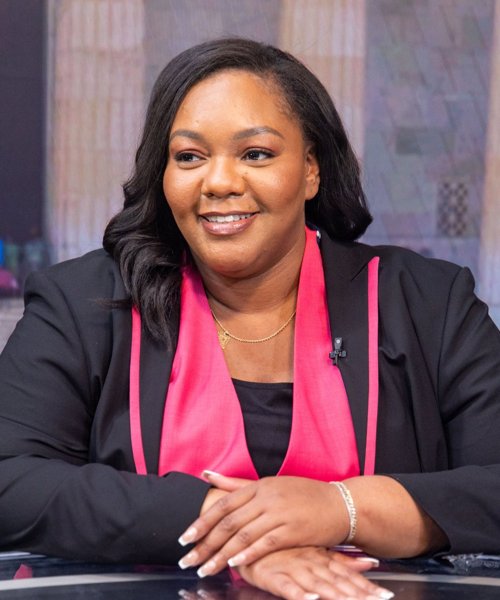
Tabitha Lewis, MBA
Founder & CEO of THL Ultimate Solutions in Raleigh, NC. Business & Tax Strategist, TEDx speaker and author of Rise Stronger. Tabitha helps established business owners reduce taxes, increase profits and build long-term business wealth.
More about Tabitha →This article is for general education and is not tax, legal or financial advice for your specific situation.